
Bring Love Home
Secure Your Kitten
We're excited that you're ready to welcome a Ragdoll & British Longhair kittens into your home. Reserve your kitten today with a simple deposit, ensuring your new companion is saved just for you.
Avabile kittens
Ready To Pick Up?

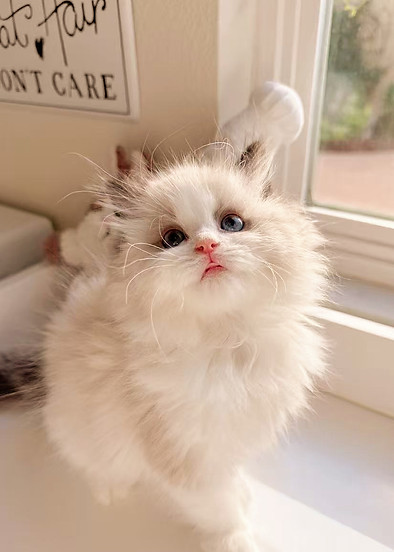
Your kitten needs time to adapt, trust, and grow.
Offer gentle care, daily cuddles, and endless love — they will return it tenfold
Love & Patience
Take the leap !

How to Choose a Kitten
Finding the right kitten is all about connection and heart
1. Personality Match
Every kitten has its own charm — some are playful and curious, others calm and cuddly.
Choose the one that fits your lifestyle and heart.
2. Health & Background
We share vaccination history, and parents’ information.
Transparency and trust come first
3. Video Call or Visit
Meet your kitten through video or visit in person to feel the bond.
When it feels right — that’s your forever friend
1
2
Make A Deposit
1.Deposit Amount: The deposit is $400. This amount is non-refundable if the buyer changes their mind. However, if the kitten contracts an irreversible illness such as feline distemper while in our care, the deposit will be refunded, or both parties can agree to select a different kitten.
2. Deposit Application: The deposit will be applied toward the total price of the kitten, ensuring your place in line for your chosen companion.
3. Payment Methods: We offer multiple payment options for your convenience. Deposits can be made in person (Riverside, CA), through bank transfers, or via Zelle.
3
Forever Home
1. Bringing Your Kitten Home
Whether you’re picking up your kitten in person or having them delivered, we’ll ensure a smooth and joyful transition. Just settle the remaining balance, and your new furry friend will be on their way to you.
2. Share the Love, Save More
Expand your furry family and enjoy savings! Get a 15% discount when you adopt two kittens at once, or a 20% discount when you adopt three or more.
Tips for Bringing Your Kitten Home
A few loving steps to help your little one settle in smoothly and happily
Love Tips for New Cat Parents
1. Give Them Time to Adjust
Moving to a new home can be overwhelming for a kitten.
They may hide, cry softly, or refuse food for a day or two — that’s perfectly normal.
Keep the environment quiet for the first few days and avoid too many visitors.
Let your kitten explore one small room first, and gradually open up more space as they gain confidence.
⸻
2. Continue the Same Food and Litter
Keep using the same brand of food and litter provided by the cattery for at least 5–7 days.
Sudden changes can cause stomach upset or stress.
If you wish to switch to a new brand, mix it slowly: 75% old + 25% new, and increase gradually each day.
⸻
3. Prepare a Cozy Corner
Before bringing your kitten home, set up a warm and safe space:
a soft bed or blanket, a small litter box, food and water bowls, and some quiet toys.
Avoid loud noises, drafts, or busy areas — kittens need a sense of safety first.
⸻
4. Socialization & Bonding
Sit quietly near your kitten and talk softly.
Let them approach you first — never force cuddles.
Gentle petting and slow blinking help build trust.
Play a few short sessions daily with toys to create joyful interaction.
⸻
5. Health Check & Vaccines
Schedule a vet visit within the first week to confirm your kitten’s good health.
Bring vaccination and deworming records from the cattery.
Your vet will help set up a continued vaccination and parasite prevention plan.
⸻
6. Keep Indoors & Safe
Kittens should stay strictly indoors until fully vaccinated and adjusted.
Make sure windows, balconies, and doors are secure — little explorers can squeeze through tiny spaces!
⸻
7. Love, Patience & Routine
Cats thrive on gentle care and steady routines.
Feed at the same times, keep the litter box clean, and give daily love.
Within a week or two, your kitten will trust you completely and feel truly at home

Choose Cat Food

How To Choose Cat Food
Choosing the right cat food is essential for your cat’s health and happiness.

1. Read the ingredients carefully – The first ingredient should always be real meat like chicken, turkey, or salmon. Avoid foods with artificial colors, flavors, or excessive grains such as corn, wheat, or soy.
2. Match food to your cat’s age and lifestyle – Kittens need more protein and fat to grow strong, while adult and senior cats need balanced nutrition to maintain energy and a healthy weight. Indoor cats usually need fewer calories than outdoor cats.
3. Consider special health needs – Cats with allergies, sensitive stomachs, or urinary problems may require special formulas. Always consult your vet before making big changes.
4.Dry or wet food? – Wet food helps with hydration and digestion, while dry food supports dental health. Many cat owners use a mix to get the best of both worlds
5.Check for AAFCO or veterinary certification – This ensures the formula meets essential nutritional standards.
6. Transition gradually – When changing food, mix the new one with the old over 7–10 days to avoid digestive upset.
7. Observe your cat’s response – A shiny coat, bright eyes, and stable appetite mean the food suits them well. If you notice diarrhea, vomiting, or loss of appetite, switch back or talk to your vet.
8. Don’t forget fresh water! – Always provide clean, fresh water. Hydration is just as important as nutrition.
How To Take Care Of
1. Nutrition & Feeding (Very Important)
• Kitten Food Only:
Choose a high-protein, grain-free kitten formula. Brands like Royal Canin Kitten, Wellness Core, Nulo, or Purina Pro Plan Kitten are recommended.
• Feeding Schedule:
• 2–4 months old: 4 meals per day (small portions).
• 4–6 months: 3 meals per day.
• 6+ months: 2 meals per day.
• Feeding Amount:
Check food packaging for daily grams. Adjust based on weight and activity — kittens eat about 3–5% of their body weight daily.
• Transitioning to New Food:
Change slowly over 7–10 days:
• Days 1–2: 25% new food + 75% old food
• Days 3–4: 50% new + 50% old
• Days 5–6: 75% new + 25% old
• Day 7+: 100% new food
• Hydration:
Always provide fresh, filtered water. Clean bowls daily. Avoid milk — it causes diarrhea.
• Bowl Care:
Use stainless steel or ceramic bowls. Plastic bowls may cause chin acne.
• Supplements:
Usually unnecessary if feeding premium food. Ask your vet before giving vitamins, probiotics, or fish oil.
Nutrition & Feeding
2. Litter Box & Toilet Training
• Box Type:
Medium-size covered or open box. Make sure the kitten can easily enter and exit.
• Litter Type:
Unscented, fine clumping litter. Avoid strong fragrances or crystal litter for young kittens.
• Cleaning Routine:
• Scoop twice a day (morning & night).
• Fully wash with mild soap every week.
• Replace litter completely once a week.
• Location:
Quiet corner, away from food and water. Avoid noisy areas (like laundry machines).
• Training Tip:
After meals or naps, gently place the kitten in the litter box to build habit. Never punish for accidents — just clean thoroughly with enzyme cleaner to remove smell.
Litter Box & Toilet Training
3. Grooming & Hygiene
Brushing
• Short Hair: 1–2 times/week.
• Long Hair (Ragdoll, British Longhair): Daily brushing to avoid tangles and hairballs.
• Use a soft slicker brush or metal comb. Start gently from the back, then neck and tail.
Bathing
• Only bathe if dirty or oily (every 1–2 months).
• Use kitten-safe shampoo, never human or dog shampoo.
• Rinse completely, towel dry, and blow dry on low warm setting.
• Keep warm until fully dry — kittens catch colds easily.
Ears, Eyes, and Mouth
• Eyes: Wipe daily with a soft damp pad or pet eye wipes (especially for light-colored cats).
• Ears: Check weekly. Clean with vet-approved ear cleaner and cotton pad — never insert swabs deeply.
• Teeth: Begin gentle brushing with kitten toothbrush 2–3 times a week to prevent tartar.
Nails
• Trim every 2–3 weeks. Use a small pet clipper and avoid cutting the pink “quick.”
• Praise and reward afterward — make grooming a positive habit.
Grooming &Hygiene
4. Home Environment & Comfort
• Temperature: Keep between 72–78°F (22–26°C). Avoid cold drafts or direct sunlight.
• Sleeping Area:
Provide a soft bed or blanket in a quiet corner. Add familiar scent (from breeder or mom’s blanket).
• Safety:
• Keep windows closed or install screens.
• Hide cords and small objects — kittens chew everything.
• Remove toxic plants (lilies, pothos, aloe, etc.).
• Keep toilet lids closed and trash bins covered.
• Play & Enrichment:
• Provide toys like feather wands, balls, tunnels, and scratching posts.
• 2–3 play sessions per day (15–20 minutes each).
• Rotate toys weekly to prevent boredom.
• Scratching Post:
Cats need to scratch — provide one or more posts in accessible spots to protect your furniture.
Home Environment & Comfort
5. Health, Vaccination & Prevention
• Vaccination Schedule Example:
• 8 weeks: 1st FVRCP
• 12 weeks: 2nd FVRCP
• 16 weeks: 3rd FVRCP + Rabies
• 6–12 months: Spay/neuter
• Deworming:
Every 3 months, or as your vet recommends.
• Parasite Control:
Monthly flea/tick prevention (e.g., Revolution, Advantage, or Frontline).
• Vet Visits:
• First check-up: within the first week in your home.
• Then every 6–12 months for health monitoring.
• Monitor Daily:
• Appetite, stool, energy, and mood.
• Common warning signs: vomiting, sneezing, coughing, diarrhea, or hiding more than usual.
• Seek vet help early — kittens’ conditions can worsen quickly.
Health, Vaccination & Prevention
6. Emotional Care & Socialization
• Bonding:
Spend calm time each day — sit near, talk softly, play gently.
• Socializing:
Let your kitten explore one room at a time. Gradually introduce to family and other pets.
• Alone Time:
Teach independence — short alone periods with soft music or heartbeat toys help prevent separation anxiety.
• Positive Touch:
Touch paws, ears, and tail gently from a young age so the kitten gets used to grooming and vet checks.
• Avoid Stress:
No loud noises, chasing, or rough play. Respect the kitten’s comfort zone.
Emotional Care & Socialization
7. Travel & Vet Trips
• Use a secure, well-ventilated cat carrier with a familiar blanket inside.
• Avoid feeding 2 hours before traveling to prevent nausea.
• For long trips, bring water, wipes, and a small litter box.
• Always keep your kitten safe indoors or in a carrier — never loose in a car.
Travel & Vet Trips
8. Love, Patience, and Consistency
Your kitten is learning, growing, and trusting you day by day.
Gentle care, routine, and calm affection create a happy, confident cat for life.
A stable environment, clean space, and your warm companionship are the best medicine and love you can give.